Micomlan Architect Desk Lamp: Full Rundown (2026)
This is an affiliate link — we may earn a commission at no extra cost to you.
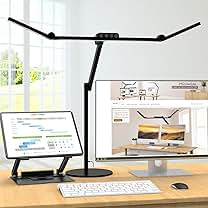
The Micomlan Architect is a budget-friendly desk lamp styled after classic articulated "architect" task lamps — a swing-arm design for direct, adjustable task lighting. This is based on manufacturer specifications and published listing data; we don't test lighting gear in-house.
Who it's for
Good fit if you want simple, direct task lighting for reading or close work at a low price. Skip it if you want app control, adjustable color temperature, or video-call-oriented lighting — this is a basic mechanical desk lamp, not a smart light.
Specs
| Spec | Micomlan Architect Desk Lamp |
|---|---|
| Price | Check current price |
| Style | Articulated swing-arm ("architect" style) |
| Mounting | Desk clamp or base (varies by listing) |
| Control | Manual switch/dimmer |
What stands out
The articulated arm design lets you position the light exactly where you need it — closer to a page or keyboard than a fixed desk lamp allows — at a price well below premium architect-style lamps from brands like Anglepoise or BenQ.
What to know before buying
It's a basic mechanical lamp — no app control, no adjustable color temperature, no video-call-specific features. If you want lighting that improves how you look on calls, a purpose-built option like the BenQ ScreenBar is a better fit than a task lamp.
Bottom line
For simple, adjustable task lighting at a low price, the Architect covers the basics well — it's not built for video calls or smart-home integration.
Check the current price on the Micomlan Architect Desk Lamp →
The Workflow Guide publishes independent research on tech tools and gear. We do not test lighting gear in-house; this page is based on manufacturer specifications and published listing data.
Connection, audio, light, camera, desk and power, in the order that matters. Free 2-page PDF, no spam.
No spam. Unsubscribe anytime.
Micomlan Architect Desk Lamp
Our pick, based on published specs and owner reviews — not hands-on testing.
Check Price on Amazon →Founder of The Workflow Guide — an IT professional who researches home-office gear and productivity software from specs, documentation and published reviews. Full bio →